The Grapevine and the Green: Navigating Cannabis Access in Rural America
As cannabis laws evolve across the United States, a stark divide in accessibility has emerged. While city dwellers may have multiple dispensaries within a few miles, residents of rural areas often face a completely different landscape. Far from the convenience of urban “green rushes,” finding marijuana in the countryside is frequently a matter of navigating local culture, personal connections, and a patchwork of legal and social nuances. This exploration delves into the unique dynamics of cannabis access in rural America.
The Power of the Word-of-Mouth Network
In small towns and sparsely populated counties, anonymity is a luxury. This reality shapes nearly every aspect of local commerce, including cannabis. Unlike in a city where one can anonymously enter a dispensary, acquiring cannabis in a rural setting often relies on the oldest and most trusted method of transaction: the word-of-mouth network.
This “grapevine” is built on personal relationships and reputation. Finding a source typically involves knowing someone who knows someone. Trust is the primary currency. A recommendation from a mutual friend or a trusted local is often the only way to gain access. This system is inherently discreet, a holdover from decades of prohibition where being publicly associated with marijuana could have significant social and legal consequences. For newcomers to a rural area, integrating into the community is often a prerequisite to tapping into this network.
Local Growers and Gifting Economies
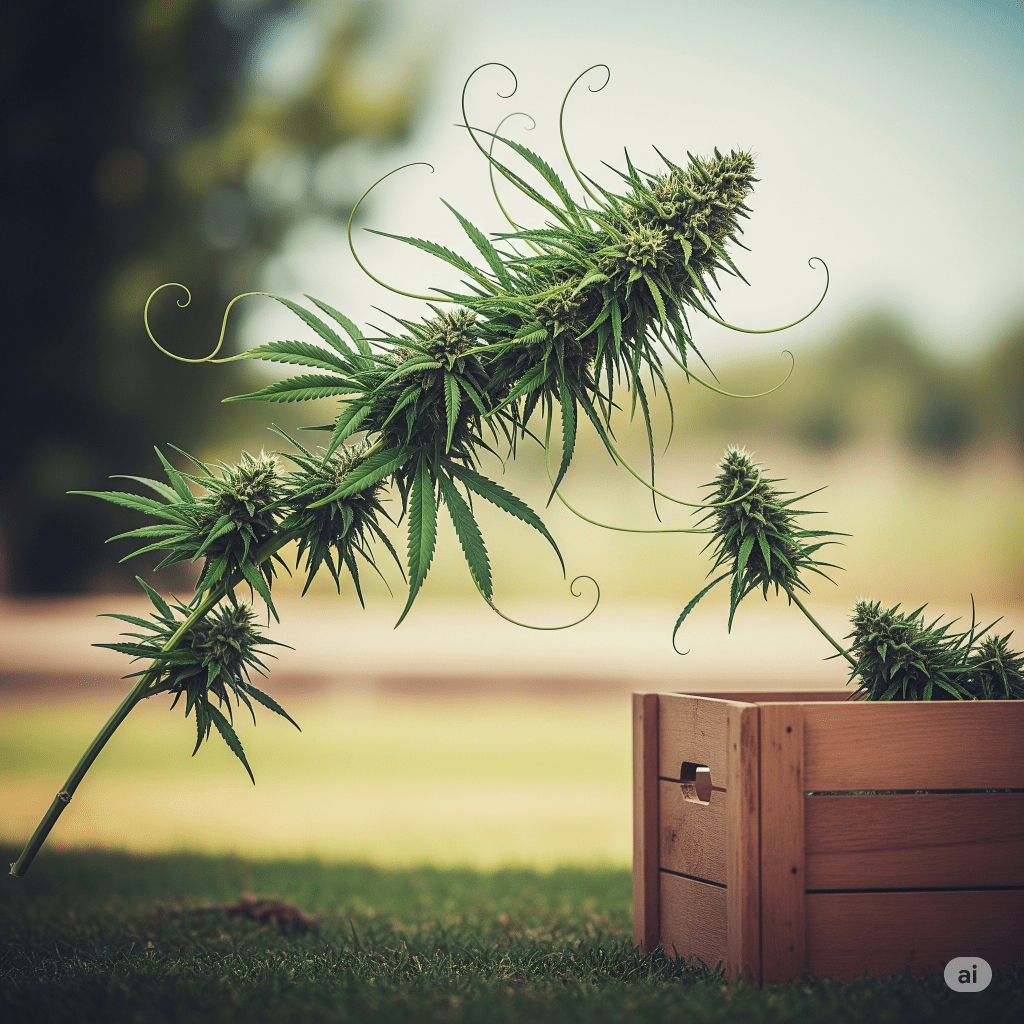
Rural life is often synonymous with self-sufficiency, and this extends to cannabis. With ample space and privacy, small-scale, personal cultivation is common, whether for medicinal or recreational use. This prevalence of home growers creates a unique economic dynamic, particularly in states where cannabis is legal.
Instead of direct sales, which may be legally restricted outside of a licensed dispensary system, “gifting economies” often flourish. In this model, individuals might “gift” cannabis to friends or neighbors, sometimes in exchange for another favor, a different homegrown product, or simply as an act of community goodwill. This practice exists in a legal gray area in many places but is a practical solution for sharing a surplus harvest without engaging in what would be classified as an illegal sale.
The Limited Reach of Technology
While technology has revolutionized the cannabis industry in metropolitan areas with on-demand delivery apps and sophisticated online menus, its reach into the countryside is often limited. Poor broadband access and the sheer logistical challenge of covering vast distances make dedicated cannabis delivery services a rarity in many rural regions.
However, technology still plays a role. Encrypted messaging apps like Signal or Telegram are often used to coordinate discreetly once a personal connection has been established. Online forums or social media groups dedicated to local interests might offer subtle hints or connections, though overt solicitations are rare and risky. For the most part, technology is a tool for communication, not discovery.
Navigating Legal and Social Landscapes
The legal status of marijuana is a complex tapestry of federal, state, and local laws. In rural areas, the enforcement of these laws can be unpredictable. A sheriff’s department in one county might have a hands-off approach to personal use, while the next county over could enforce laws more strictly. Local ordinances can further complicate the picture, with some municipalities opting out of state-legal cannabis sales.
Understanding this local context is critical. The social landscape is equally important. In a tight-knit community, discretion is not just about avoiding law enforcement; it’s about maintaining one’s reputation and relationships with neighbors who may hold differing views on cannabis.
In conclusion, accessing cannabis in rural areas remains a fundamentally different experience from its urban counterpart. It is a process rooted in community, trust, and discretion rather than consumer convenience. As laws continue to change, this dynamic may shift, but for now, the rural green economy operates quietly, driven by personal connections, homegrown cultivation, and the enduring power of the local grapevine.
When all else fails Try them below. Safe, fast and easy!
https://www.heresweed.com/dispensaries/DC/capital-buds-dc
Disclaimer: This article is for informational purposes only and does not constitute legal advice. It is not intended to encourage or condone any illegal activity. The laws regarding marijuana possession, cultivation, and distribution vary significantly by state and locality. You are responsible for knowing and complying with all applicable laws.
 WEED RANK
Leave a comment